In this guide
- Why Cold All-White Kitchens Are Out and Warm Minimalism Is Dominating 2026
- Signature Textures & Finishes: Limewash Walls, Fluted Walnut Cabinetry & Honed Natural Stone
- The 2026 Earthy Color Palette: Terracotta, Clay Beige, Olive Sage & Warm Taupe
- Concealed Appliances & Seamless Pantry Design for Clutter-Free Visual Calm
- High-ROI Renovation Upgrades: Lighting Layers, Sustainable Countertops & Hardware
- Budget & Timeline Planning Guide for a Stress-Free Kitchen Remodel
- Frequently Asked Questions (FAQ)
- Conclusion
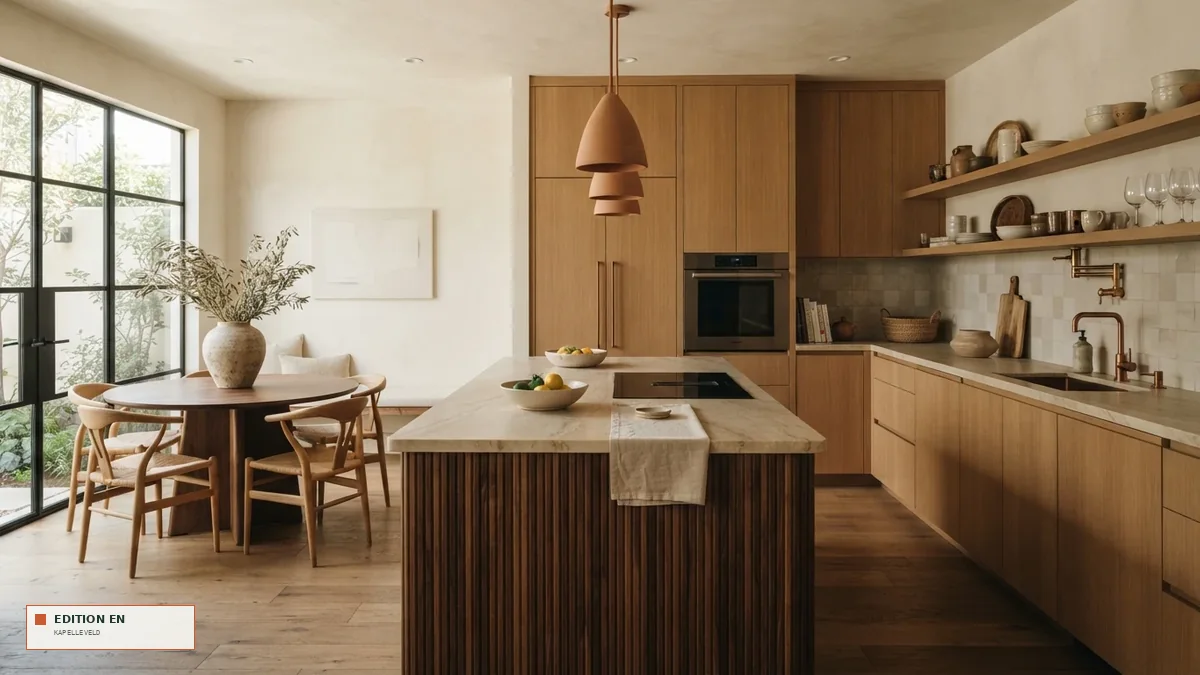
The interior design landscape is undergoing a profound structural pivot away from stark, sterile environments. Homeowners and architects are embracing warm minimalism earthy kitchen renovation concepts that prioritize architectural calm, tactile authenticity, and long-term utility. In 2026, the kitchen is no longer designed as an industrial work station; it has evolved into the emotional anchor of the home. By combining minimalist discipline with organic warmth, this design philosophy creates spaces that feel curated rather than manufactured, offering an enduring sense of sanctuary.
This guide provides a comprehensive roadmap for planning, executing, and optimizing a warm minimalist kitchen remodel that balances aesthetic harmony with functional durability.
1. Why Cold All-White Kitchens Are Out and Warm Minimalism Is Dominating 2026
The Shift Away from Clinical Aesthetics
For nearly two decades, ultra-glossy, clinical all-white kitchens dominated residential design. However, the reliance on cool undertones, reflective acrylics, and sharp synthetic edges created living spaces that often felt impersonal. Designers are now shifting toward softer, human-centric interiors that evoke calm through visual depth rather than high-contrast brightness.
Defining Warm Minimalism
Warm minimalism retains the clean lines, spatial discipline, and uncluttered surfaces of traditional minimalism, but replaces harshness with rich, organic materiality. It relies on subtle tonal transitions, light-reflective plaster, and rich timber to create architectural character without relying on decorative clutter.
Biophilic Connection & Psychological Well-Being
At the core of the 2026 kitchen evolution is biophilic design. Incorporating raw stone, natural grain patterns, and breathable mineral finishes directly connects indoor environments with nature. Research indicates that living in spaces dominated by natural textures lowers cortisol levels and enhances emotional comfort, making warm minimalism a functional investment in daily well-being.
| Design Attribute | Cold All-White Trend (Past) | Warm Minimalism (2026 Trend) |
|---|---|---|
| Primary Base Tones | Pure Stark White (#FFFFFF) | Clay Beige, Warm Taupe, Sand |
| Cabinet Surface Texture | High-Gloss Acrylic or Flat Paint | Fluted Walnut, White Oak, Matte Stain |
| Wall Treatments | Standard Flat Emulsion | Breathable Limewash, Roman Clay |
| Countertop Finishes | Polished Synthetic Quartz | Honed Taj Mahal Quartzite, Travertine |
| Atmospheric Lighting | Uniform 4000K Overhead Recessed | Layered 2700K Warm Ambient & Accent |
2. Signature Textures & Finishes: Limewash Walls, Fluted Walnut Cabinetry & Honed Natural Stone
Limewash and Roman Clay Wall Finishes
Drywall finished with flat synthetic paint lacks visual movement. In 2026, designers are specifying limewash and Roman clay wall applications. These mineral-based finishes absorb and refract natural light, creating soft shade variations that alter gracefully throughout the day while offering non-toxic, moisture-regulating benefits.
Fluted Walnut and Rift-Sawn Oak Cabinetry
Flat-panel cabinet doors are evolving to include architectural texture. Fluted walnut detailing adds subtle vertical shadows that elongate ceilings, while rift-sawn oak brings linear grain structure to expansive island bases. These joinery techniques add physical depth to minimalism without visually overwhelming the room.
Honed and Textured Natural Stone Surfaces
High-gloss polished granite and brilliant white quartz are giving way to honed, leathered, and brushed stone finishes. Materials like Taj Mahal quartzite, silver travertine, and low-contrast honed marbles offer tactile warmth under foot and hand, minimizing harsh glare while concealing everyday wear.
3. The 2026 Earthy Color Palette: Terracotta, Clay Beige, Olive Sage & Warm Taupe
Establishing a Harmonious Base Palette
A successful warm minimalist kitchen relies on a foundation of soft, low-contrast neutrals. Replace stark white with clay beige, unbleached linen, and soft warm taupe. These background tones establish a calm canvas that allows architectural details to stand out.
Strategic Accent Tones: Terracotta and Olive Sage
To add dimension, introduce grounding earth tones inspired by natural landscapes. Deep terracotta island bases create an inviting anchor, while muted olive sage cabinetry introduces a subdued connection to foliage. These colors harmonize with natural timber hues without disrupting spatial balance.
Color Pairing Matrix for Materials
- Clay Beige Walls: Pair with rift-sawn white oak cabinetry and brushed nickel hardware.
- Muted Olive Sage Cabinets: Pair with honed Taj Mahal quartzite and unlacquered brass.
- Warm Taupe Joinery: Pair with fluted walnut accents and warm integrated ambient lighting.
4. Concealed Appliances & Seamless Pantry Design for Clutter-Free Visual Calm
Fully Integrated Panel-Ready Appliances
Visual calm requires eliminating mechanical distractions. Panel-ready refrigeration units, fully concealed dishwashers, and flush-mount induction cooktops maintain uninterrupted cabinetry runs, allowing material textures to remain the focus of the kitchen.
The Rise of the Hidden Pocket Pantry and Butler's Kitchen
Secondary utility spaces are central to modern floor plans. Pocket-door pantries allow coffee stations, small appliances, and preparation zones to remain accessible during use, then easily slide shut to preserve the minimalist aesthetic of the primary living space.
Smart Storage Micro-Architecture
Custom joinery designs prioritize functional organization internally, avoiding the need for exposed countertop storage. Features include:
- Deep drawer dividers crafted from matching solid walnut for utensils and spices.
- Integrated vertical tray dividers for baking sheets and cutting boards.
- Concealed charging drawers with built-in power outlets to keep tech hidden.
5. High-ROI Renovation Upgrades: Lighting Layers, Sustainable Countertops & Hardware
Architectural Lighting Layers
Lighting design directly impacts spatial quality. A high-ROI lighting plan relies on three distinct layers set to a warm 2700K color temperature:
- Ambient Lighting: Recessed perimeter architectural slots that wash walls with soft illumination.
- Task Lighting: Concealed LED under-cabinet strip lighting focused on food preparation surfaces.
- Accent Lighting: Sculptural plaster or ceramic pendant lights over the central island to define spatial hierarchy.
Sustainable, High-Durability Countertops
Investing in high-durability surfaces prevents premature replacement costs. Quartzite remains a premier choice due to its natural heat and scratch resistance, while recycled bio-resin composites and dense sintered stones offer low-impact, durable alternatives that mimic natural geological textures.
Tactile Unlacquered Hardware & Integrated Pulls
Cabinet hardware acts as subtle jewelry in a warm minimalist kitchen. Unlacquered brass, aged bronze, and custom recessed finger pulls develop a rich patina over time, enhancing the authentic, lived-in quality of organic design.
6. Budget & Timeline Planning Guide for a Stress-Free Kitchen Remodel
Real-World Cost Allocation Matrix
A structural kitchen renovation requires careful budget allocation to maximize ROI and avoid project overruns.
| Renovation Category | Percentage of Total Budget | Primary Investment Focus |
|---|---|---|
| Custom Joinery & Millwork | 35% – 40% | Fluted walnut, rift-sawn oak, custom internal storage |
| Countertops & Backsplash | 20% – 25% | Honed quartzite, natural travertine slabs |
| Appliance Integration | 15% – 20% | Panel-ready refrigeration, flush induction tops |
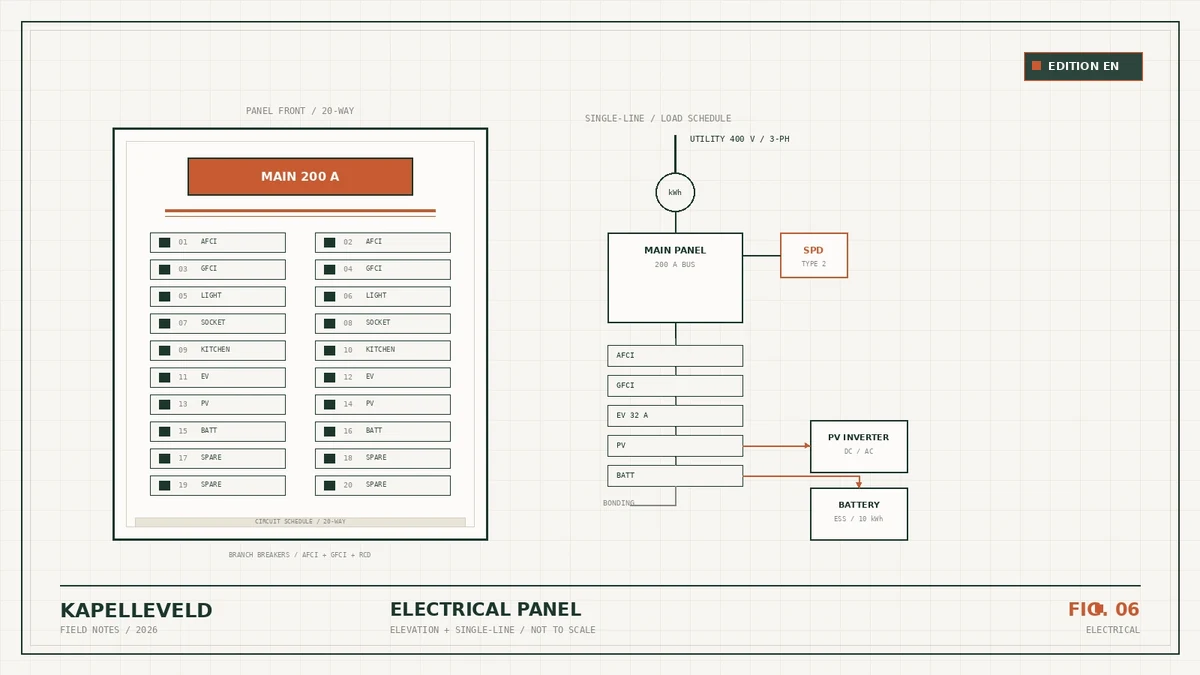
| Lighting & Electrical | 8% – 10% | Layered LED channels, architectural ceramic pendants |
| Plumbing & Hardware | 5% – 7% | Solid brass fixtures, unlacquered hardware |
| Wall & Ceiling Finishes | 4% – 5% | Artisan limewash or Roman clay application |
Project Timeline Milestones (16-Week Schedule)
Week 1-3
Architectural Design & Material Procurement
Finalizing millwork shop drawings and ordering stone slabs.
Week 4-6
Demolition & Rough-In Utilities
Structural adjustments, electrical re-wiring, and plumbing placement.
Week 7-9
Wall Surface Preparation & Limewash Application
Drywall installation, plaster curing, and artisan limewash coats.
Week 10-12
Custom Cabinetry & Countertop Installation
Precision joinery fitting, stone template cutting, and slab installation.
Week 13-14
Appliance Integration & Fixture Mounting
Panel mounting, plumbing connections, and lighting fixture hanging.
Week 15-16
Detailed Touch-ups & Final Snagging
Hardware adjustments, sealing natural stone, and quality sign-off.
7. Frequently Asked Questions (FAQ)
Are limewash walls durable enough for high-moisture kitchen environments?
Yes, when properly sealed with a breathable, water-resistant mineral sealer, limewash walls perform exceptionally well in kitchens. The natural high pH of lime also renders the finish naturally antibacterial and resistant to mold growth.
How do I maintain honed natural stone countertops against staining?
Honed natural stone should be treated with a high-grade penetrating sealer upon installation and re-applied annually. Daily cleaning should be performed using pH-neutral stone cleaners, avoiding acidic substances like lemon juice or harsh chemical sprays.
Is fluted cabinetry difficult to clean compared to flat panels?
While fluted joinery features vertical grooves, regular maintenance requires only a micro-fiber cloth or vacuum brush attachment along the grain. Using high-quality matte polyurethane finishes prevents grease and dust from adhering to the timber grooves.
What return on investment (ROI) can I expect from a warm minimalist kitchen renovation?
High-end, classic kitchen renovations focusing on natural materials and warm minimalism yield an average ROI of 70% to 80% upon resale. Buyers value timeless organic materials over hyper-specific aesthetic trends that age quickly.
Conclusion
Embracing a warm minimalism earthy kitchen renovation in 2026 allows you to transform a functional cooking area into a serene, timeless sanctuary. By stepping away from stark white synthetic surfaces and choosing tactile materials like fluted walnut, limewash plaster, and honed quartzite, you create a space that balances architectural discipline with natural warmth. Focus on integrated functionality, layered warm lighting, and durable natural materials to ensure your kitchen remains beautiful and highly operational for decades to come.
Read this guide in five editions
Warm Minimalism & Earthy Kitchen Renovation Trends: How to Create a Timeless Home in 2026
The same field notes, translated and adapted for each market.
Smart Multifunctional Furniture for Small Spaces: The Complete 2026 Urban Living Guide
Biophilic & Sustainable Modular Furniture Trends Transforming Modern Homes in 2026
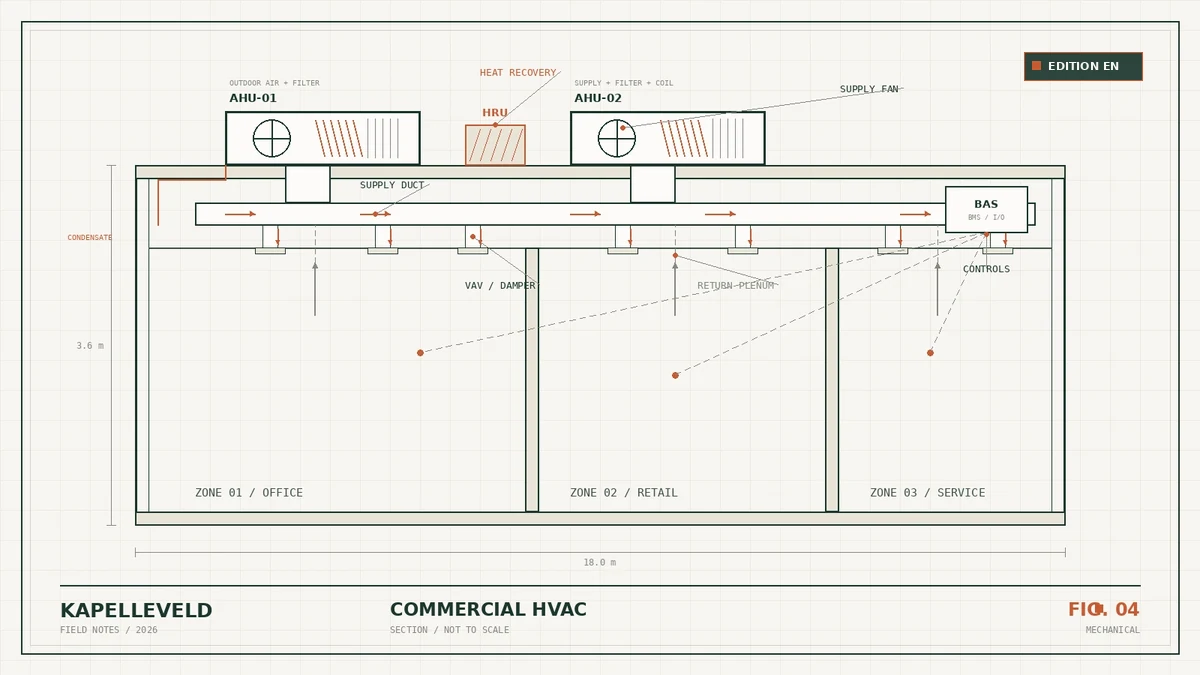
Commercial HVAC Design, Controls & Maintenance: A Field Guide to Efficient Buildings
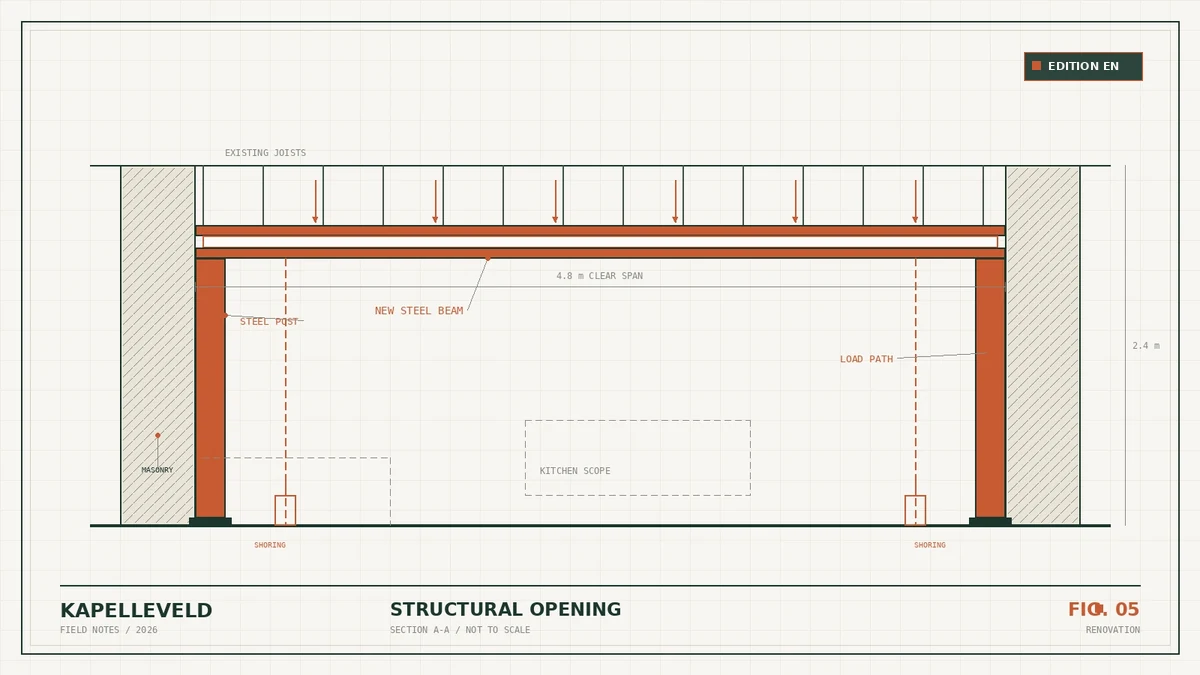
Structural Kitchen Renovation: Beams, Load Paths, and the Sequence That Keeps a House Standing