In this guide
- What Is Biophilic & Sustainable Modular Furniture?
- Top Bio-Based & Circular Materials Defining 2026 Interiors
- Curved Silhouettes & Organic Ergonomics: Why Soft Geometry Rules
- Adaptable Modular Systems for Long-Term Value & Zero-Waste Living
- Room-by-Room Styling Guide
- Buying Checklist: How to Verify Authentic Sustainability
- Frequently Asked Questions (FAQ)
- Conclusion
The intersection of environmental consciousness and wellness-focused design has fundamentally altered how we curate our living spaces. As we enter 2026, biophilic & sustainable modular furniture trends have evolved from a niche architectural preference into the dominant paradigm of contemporary interior design. Modern homeowners no longer accept the trade-off between aesthetic elegance, functional adaptability, and ecological responsibility. Today’s interior environments require furniture that actively reconnects occupants with natural patterns while offering total spatial flexibility.
This comprehensive guide explores the defining shifts in modular bio-furniture for 2026, detailing the circular materials, fluid geometries, and zero-waste engineering practices reshaping residential spaces globally.
1. What Is Biophilic & Sustainable Modular Furniture?
The Core Philosophy of Nature-Centric Design
Biophilic design stems from the innate human tendency to seek connections with nature. When applied to modular furniture, this philosophy transcends placing a potted plant on a side table. It integrates natural textures, fractal patterns, botanical forms, and sensory-rich materials directly into adaptable seating, storage, and workstation systems. Sustainable modularity ensures that these pieces are engineered for longevity, featuring component-based construction that allows easy repair, re-configuration, or recycling without sending bulk waste to landfills.
The 2026 Market Shift: From Static Sustainability to Dynamic Ecosystems
In 2026, the furniture industry has moved past passive eco-friendly labels. Homeowners demand dynamic systems that adapt to shifting lifestyle needs—such as transitioning a living room from a remote work hub into an entertaining space within minutes. The market focus has shifted toward closed-loop manufacturing where furniture elements act like natural ecosystems: modular, renewable, non-toxic, and fully recyclable at the end of their lifecycle.
2. Top Bio-Based & Circular Materials Defining 2026 Interiors
Material innovation serves as the foundation of the 2026 biophilic revolution. Designers are combining ancient natural resources with cutting-edge biotechnology to craft pieces that feel grounded yet luxurious.
- FSC-Certified Reclaimed Oak & Timber: Salvaged structural timber transformed into modular framing systems, showcasing natural wood grain imperfections and historic patinas.
- Mycelium Leather Alternatives: Root-structure bio-textiles providing the durable, supple feel of premium leather without animal reliance or toxic tanning chemicals.
- Recycled Wool & Bouclé Fabrics: Tactile textiles woven from post-industrial sheep’s wool and ocean-bound plastic fibers, adding rich depth and warmth.
- Hemp-Lime & Agricultural Waste Composites: Lightweight, durable structural panels created from fast-growing industrial hemp combined with natural binders.
- Ultra-Low-VOC & Plant-Based Finishes: Organic oil and wax sealants derived from linseed, beeswax, and walnut, ensuring pristine indoor air quality.
| Material Type | Sustainability Impact | Durability & Maintenance | Tactile Experience |
|---|---|---|---|
| Reclaimed Oak | Zero net deforestation; sequesters carbon | High; easily sanded and refinished | Warm, textured wood grain |
| Mycelium Bio-Fabric | 100% biodegradable; low water footprint | High tensile strength; spot-cleanable | Smooth, supple, leather-like |
| Recycled Bouclé Wool | Diverts textile waste; chemical-free | Medium-high; naturally stain-resistant | Coarse, cozy, highly textured |
| Hemp Composites | Rapidly renewable resource | High impact resistance; lightweight | Matte, subtle natural stone feel |
3. Curved Silhouettes & Organic Ergonomics: Why Soft Geometry Rules
Linear, rigid box shapes are officially out. The 2026 aesthetic favors soft geometry, fluid curves, and sweeping silhouettes that mimic natural topographies, riverbeds, and foliage.
Biomechanical Support Meets Visual Serenity
Curved modular seating systems offer superior ergonomic support by naturally conforming to human movement and posture variations. Soft edges eliminate harsh visual breaks within an interior, allowing eyes to glide effortlessly through space. This visual continuity significantly lowers stress levels, lowers cortisol, and promotes a sense of restorative calmness within urban residences.
Fluid Spatial Flow in Open-Plan Living
As modern architectural layouts continue to emphasize open-plan living, curved modular sofas act as soft anchors. Rather than creating rigid barriers, curved seating encourages natural circulation paths, guiding traffic around the living zone while creating intimate, conversational seating arrangements.
4. Adaptable Modular Systems for Long-Term Value & Zero-Waste Living
The Engineering of Component-Based Furniture
The core tenant of 2026 modular design is component isolation. Every section—from armrests and cushion cores to structural bases and fabric covers—can be detached using universal standard fasteners. If a single module is damaged or stained, users replace only that element rather than discarding the whole piece.
Financial and Environmental ROI
Investing in high-quality sustainable modular furniture offers exceptional long-term financial dividends. Instead of buying new furniture when moving to a different home or expanding a family, owners simply purchase additional module blocks or rearrange existing components into new configurations. This circular approach cuts long-term home furnishing costs while keeping bulk items out of municipal landfills.
5. Room-by-Room Styling Guide
The Living Room: Biophilic Central Hub
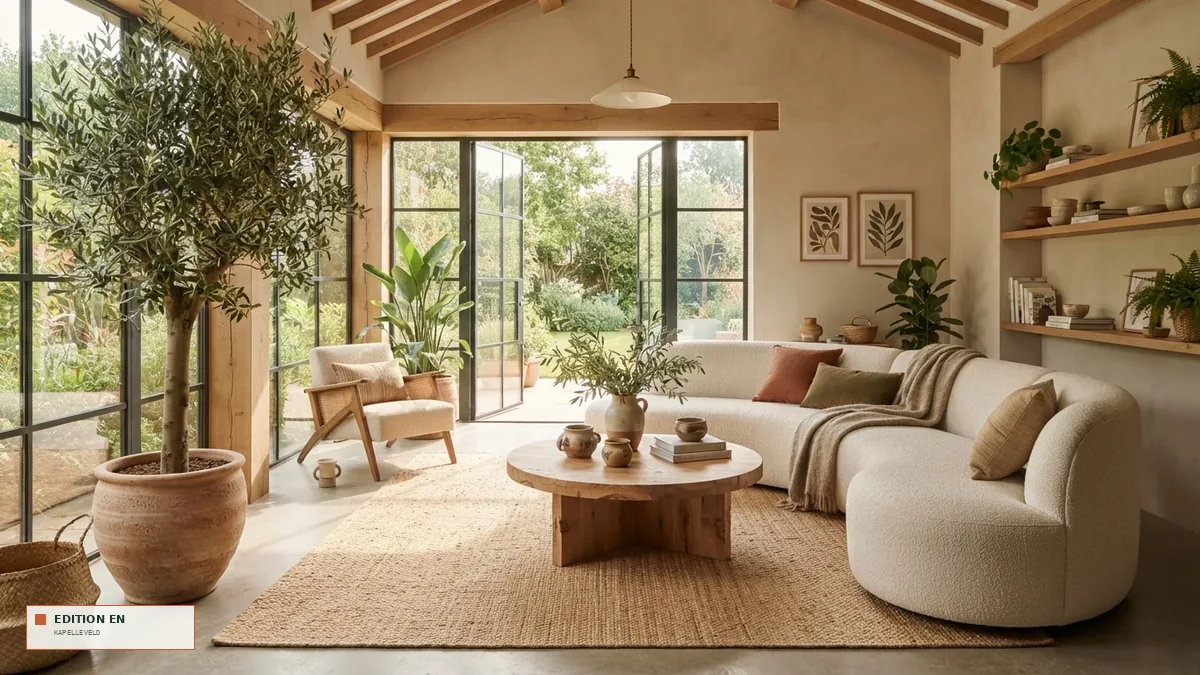
- Configuration: Crescent-shaped modular sectional surrounding a central reclaimed timber table integrated with live plant basins.
- Color Palette: Deep moss green, warm terracotta, warm linen, and muted ochre.
- Key Accent: Bouclé wool upholstery paired with natural stone side modules.
The Home Office: Ergonomic & Mindful Workspaces
- Configuration: Height-adjustable modular bamboo desk system featuring integrated hemp-composite acoustic privacy panels.
- Color Palette: Sage green, warm clay, and matte olive.
- Key Accent: Natural cork desktop accessories paired with low-VOC timber wall shelving.
The Bedroom: Restorative Sanctuary
- Configuration: Modular platform bed framed with raw edge timber headboards and integrated low-voltage warm LED lighting blocks.
- Color Palette: Soft warm grey, unbleached cotton, pale sand, and forest shadow.
- Key Accent: Mycelium-padded headboard inserts with soft organic cotton bedding.
6. Buying Checklist: How to Verify Authentic Sustainability
Avoid falling victim to greenwashing by using this verification framework before purchasing eco-furniture:
- Third-Party Certifications: Look for clear validation marks such as Forest Stewardship Council (FSC), Global Recycled Standard (GRS), Cradle to Cradle Certified (C2C), or GREENGUARD Gold.
- Full Material Transparency: Reputable brands publish complete material composition lists down to the adhesives and internal foam cores.
- Repairability & Replacement Parts Catalog: Verify that the manufacturer sells individual replacement cushions, covers, and hardware parts separately on their website.
- End-of-Life Take-Back Programs: Check if the company provides a guaranteed buy-back, trade-in, or zero-cost recycling program when you are ready to transition your furniture.
7. Frequently Asked Questions (FAQ)
What defines biophilic furniture design?
Biophilic furniture design incorporates natural elements, organic shapes, sensory textures, and botanical integrations directly into furniture to improve human well-being and foster a deep visual and physical connection to nature within indoor environments.
Are modular eco-friendly sofas durable enough for active households with pets and children?
Yes. 2026 sustainable modular sofas utilize high-durability fabrics like recycled wool bouclé and bio-based leather alternatives engineered for stain resistance and heavy use. Furthermore, individual modular covers can be removed and laundered or replaced independently if damage occurs.
How does biophilic furniture improve indoor air quality?
Biophilic and sustainable furniture strictly utilizes zero-VOC or ultra-low-VOC natural oils, water-based glues, and non-toxic bio-materials. Traditional mass-produced furniture often off-gasses formaldehyde and toxic flame retardants, whereas certified eco-furniture eliminates these harmful volatile organic compounds.
Can modular furniture fit small urban apartment layouts?
Absolutely. The defining advantage of modular furniture is complete spatial adaptability. Small space owners can configure compact two-piece seating or vertical storage units, adding further modules seamlessly if they relocate into larger residences.
Conclusion
Embracing biophilic & sustainable modular furniture trends in 2026 is more than an aesthetic upgrade; it is a commitment to healthy, adaptable, and ecologically responsible living. By selecting bio-based materials, organic curves, and circular modular systems, you transform your home into a soothing sanctuary that honors the planet while supporting your daily wellness.
Read this guide in five editions
Biophilic & Sustainable Modular Furniture Trends Transforming Modern Homes in 2026
The same field notes, translated and adapted for each market.
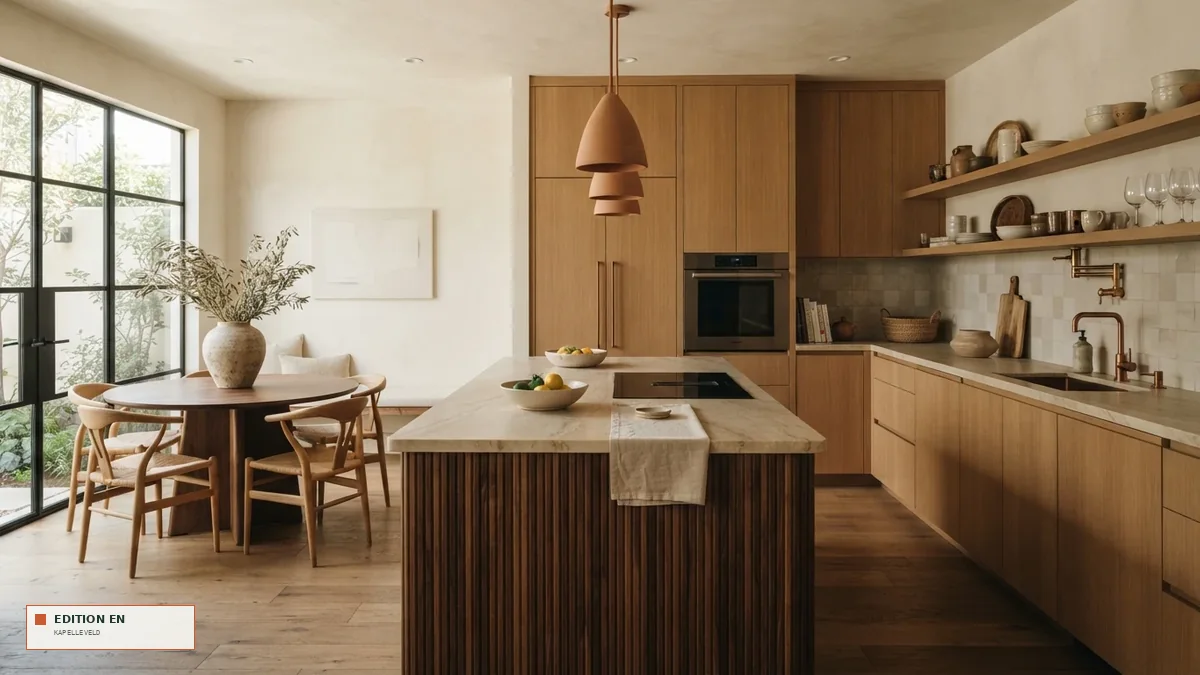
Warm Minimalism & Earthy Kitchen Renovation Trends: How to Create a Timeless Home in 2026
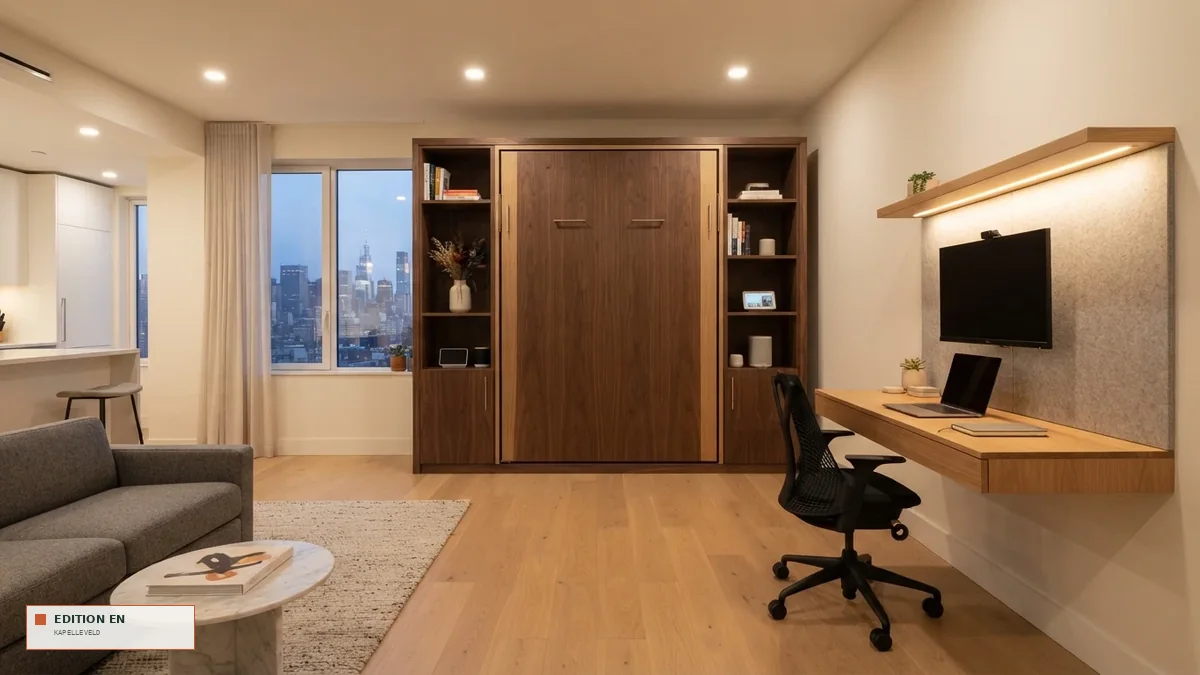
Smart Multifunctional Furniture for Small Spaces: The Complete 2026 Urban Living Guide
Commercial HVAC Design, Controls & Maintenance: A Field Guide to Efficient Buildings
Structural Kitchen Renovation: Beams, Load Paths, and the Sequence That Keeps a House Standing